
ThaiThuk topic hub
Thailand travel
The three decisions that shape a Thailand trip — when you come, what you spend, and which coast you point at.
Almost every question about travelling in Thailand collapses into three: when, how much, and where. They are not independent. Thailand runs two opposing monsoons, so "the rainy season" is a question with a different answer on each coast, and the month you pick decides which islands are pleasant and what a room costs.
The three guides below are meant to be read in that order — season first, then budget, then destination. Each one states its assumptions and the date it was last checked, because a travel guide that will not tell you when it was written is not much use.
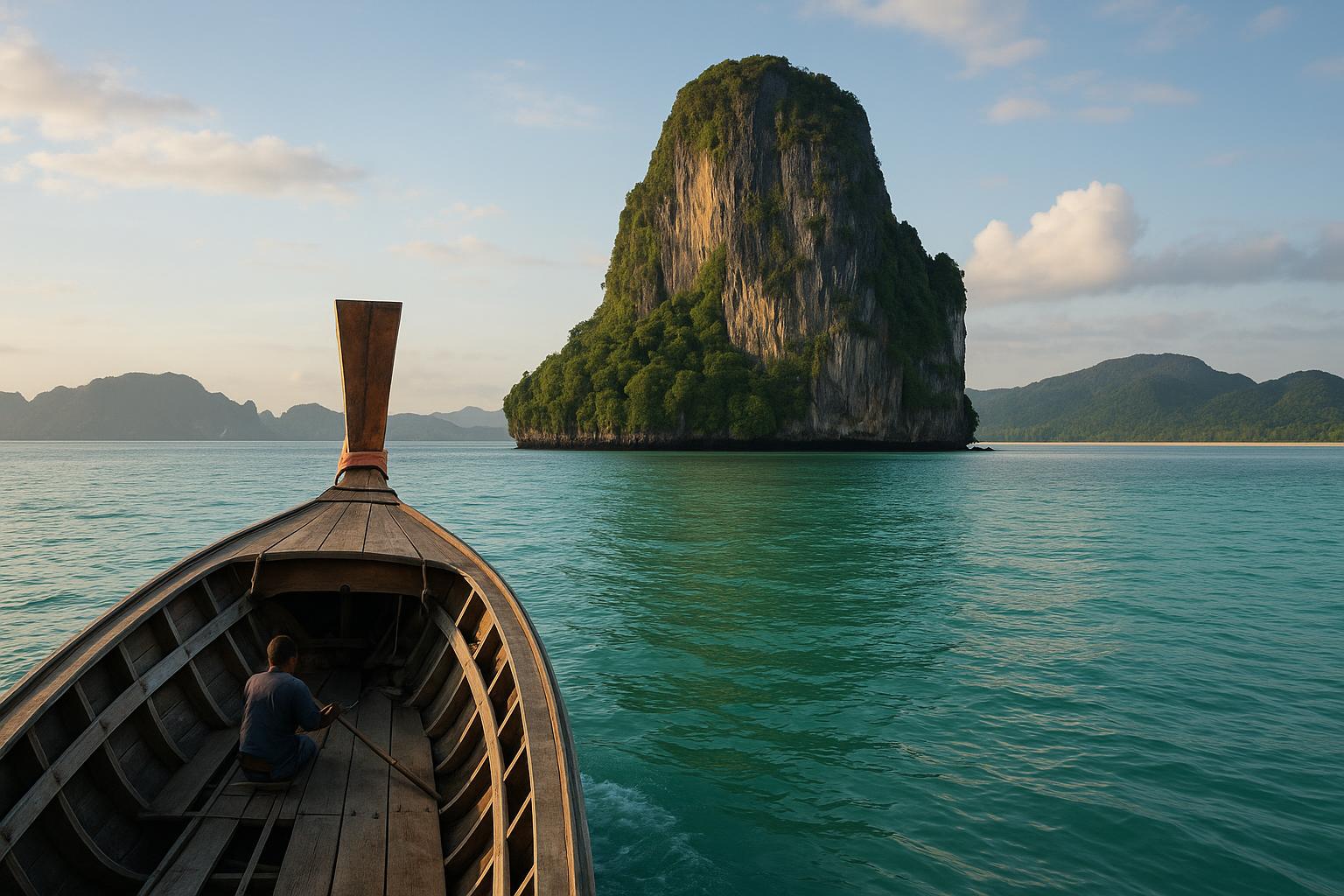
Hub last reviewed by the ThaiThuk desk. Individual pages carry their own published and updated dates.
Two monsoons, and why 'the rainy season' is bad advice
Thailand is usually described as having three seasons — cool, hot and rainy — and for the mainland that is roughly right. But the country has two coasts governed by two different monsoons, and they are out of phase. That single fact means there is almost always somewhere in Thailand having good weather, and it makes blanket advice about avoiding the rainy season close to useless.
The Andaman coast in the west — Phuket, Krabi, Koh Lanta — takes the southwest monsoon and is at its wettest roughly May to October. The Gulf islands in the east — Koh Samui, Koh Phangan, Koh Tao — sit in a different pattern and see their heaviest rain much later, around October to December. August, a month plenty of guides tell you to avoid, is one of the better months on the Gulf side.
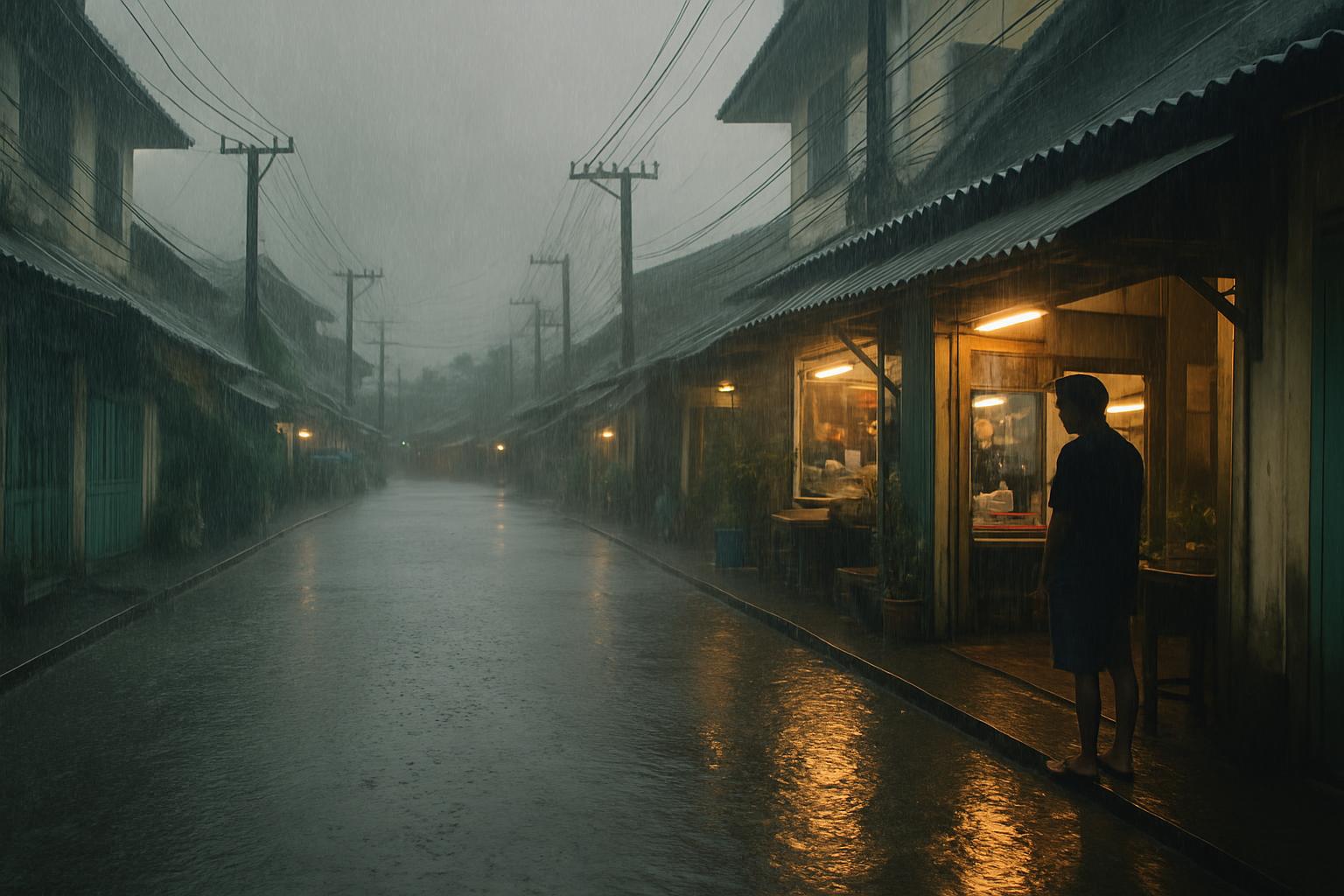
It is also worth knowing what mainland rain actually looks like. Outside the worst weeks it is a dramatic downpour in the late afternoon lasting an hour or two, not days of drizzle. Rainy season travel gets you lower prices, fewer people and greener landscapes in exchange for planning your afternoons a little more carefully.
| Period | Mainland & Bangkok | Where to go |
|---|---|---|
| Nov – Feb | Cool, dry, the peak season | Anywhere. The north is at its best; prices and crowds are at their highest |
| Mar – May | Very hot, building humidity | Islands and coast; the far north gets hazy in burning season |
| May – Oct | Southwest monsoon, afternoon downpours | The Gulf islands and Isan, which is green and at its most alive |
| Oct – Dec | Clearing on the mainland | The Andaman coast reopens; the Gulf takes its turn to get wet |
Moving around the country
Distances are larger than they look. Bangkok to Chiang Mai is about 700km; Bangkok to Phuket about 840km. Choosing the wrong mode costs you a day.
Domestic flights are cheap and frequent, and for anything over roughly 500km they are almost always the right answer. Overnight sleeper trains are the exception worth making time for — the northern line to Chiang Mai in a berth is comfortable, saves a night's accommodation and is a genuinely good experience rather than merely a cheap one.
Long-distance buses reach everywhere the trains don't and cost very little. Minivans are faster and considerably less comfortable, and are the default for shorter provincial hops. For the islands, the ferry schedule, not the flight schedule, governs your day: boats thin out sharply in the afternoon and stop early, and a late arrival on the mainland regularly means an unplanned night in a pier town.
What a day costs
Thailand accommodates almost any budget, and the spread is enormous. These are realistic all-in daily figures per person outside peak season, excluding international flights.
| Level | Per day | What that looks like |
|---|---|---|
| Lean | 800–1,200 baht | Dorm or basic fan room around 300–500 baht, street food, shared transport, a beer |
| Comfortable | 2,000–3,500 baht | Air-conditioned private room, a mix of local and sit-down meals, taxis, an activity most days |
| Unbothered | 6,000 baht and up | Hotels with pools, restaurants chosen freely, private transfers, domestic flights instead of buses |
The practical things nobody mentions until you need them
Cash still matters. Cards work in malls, hotels and chains; street food, markets, songthaews and small guesthouses are cash. ATMs charge a fixed foreign-card fee per withdrawal, so take larger amounts less often.
Get a local SIM at the airport. Data is inexpensive, coverage is good almost everywhere, and it makes ride-hailing apps, maps and translation work — which quietly removes most of the situations in which visitors get overcharged.
Book onward proof before you fly. Airlines, not immigration, are usually the ones who ask, and being refused at check-in for having no onward ticket is a far more common way to have a trip go wrong than anything that happens at the border. Our guide to why people are refused entry covers the real reasons.
Motorbike rental is the biggest risk you will take. Renting without the correct licence usually voids your travel insurance entirely, which turns a routine accident into a financial catastrophe. If you have never ridden, Thailand's roads are not where to learn.
Respect is structural, not optional. Cover shoulders and knees at temples, remove shoes where others have, keep your feet off furniture and pointed away from people and images of the Buddha, and stand for the royal anthem. None of it is difficult and all of it is noticed.
When to come
Region by region rather than one national verdict, because a single "best time to visit Thailand" answer is wrong for half the country.
-
The best time to visit Thailand, month by month
Every month matched to the region, island or festival that suits it, with the two monsoons explained.
What it costs
One worked example rather than a range. The assumptions are stated so you can move them.
-
The 1,000-baht day: a line-by-line Thailand budget
Bed, food, transport and a treat, itemised, with the date the prices were checked and where the number breaks.
Where to go
Access and season matter more than beach photographs. Each island entry notes how you get there and when it is worth the journey.
-
The Thai islands that still feel like a secret
Koh Kood, Koh Lipe, Koh Kradan, Koh Mook, the Krabi lagoons and Koh Tao — with what it takes to reach each.
Before you fly
Entry rules change without much warning. Check the visa hub rather than trusting a screenshot.
-
Thailand visas and immigration
Entry rules, exemption lengths and the reasons travellers get refused at the border.
Elsewhere on ThaiThuk
- Thai culture — The festival calendar, if you want to time a trip around one.
- Thai food — What to eat once you land.
- Pattaya — If the Gulf coast is on the itinerary.