Pattaya City, Chonburi
The oldest street con in the city is still working, and it is still working on Second Road
By Genext Information Systems Staff
Published 27 August 2026 • 6 min read
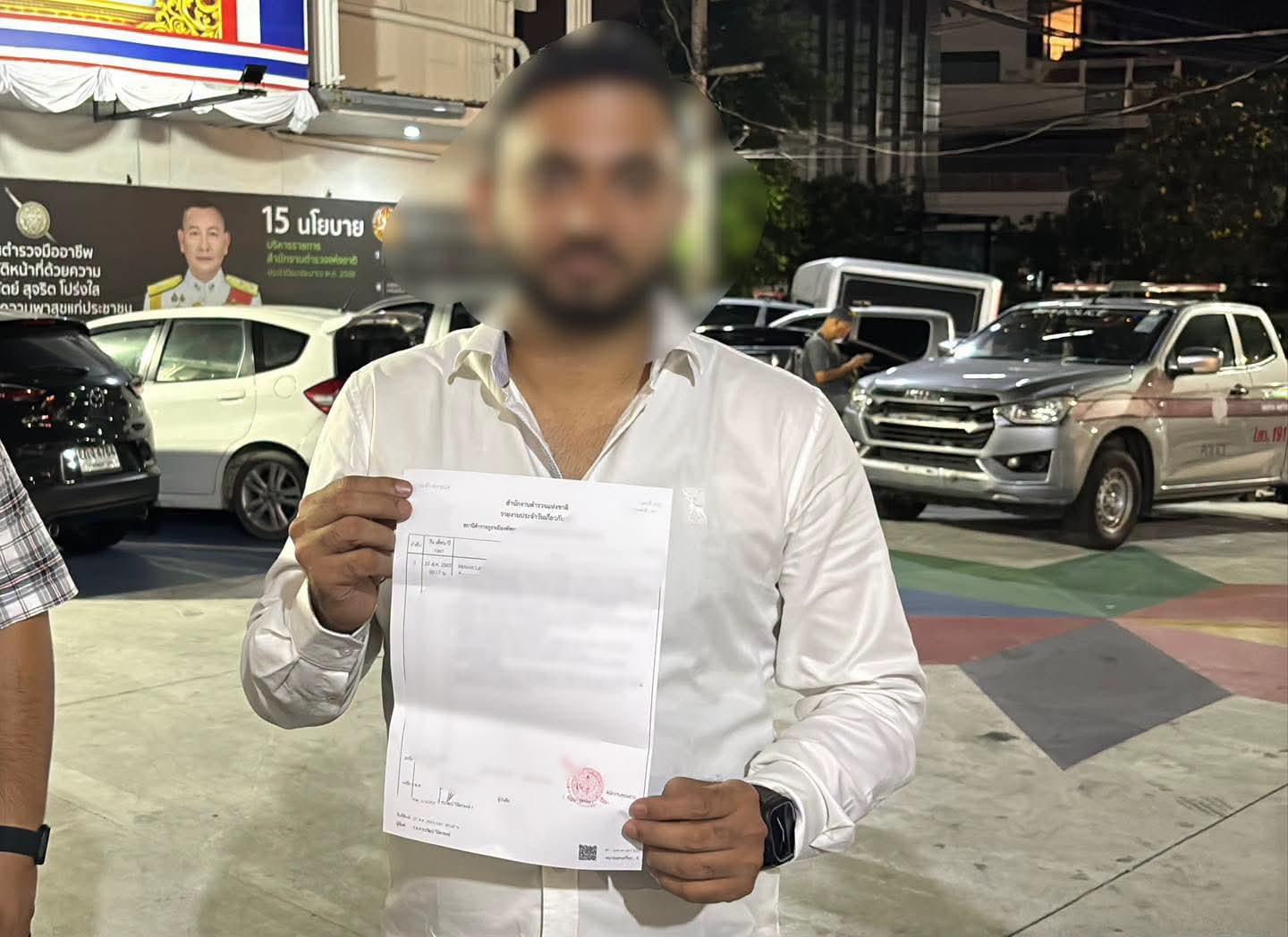
The most useful piece of Pattaya news this week is not a raid or a court date. It is a receipt. At 1.20am on Wednesday 27 August 2026, an Indian tourist walked into Muang Pattaya Police Station and told an investigating officer that he had paid roughly 15,000 baht for a bottle of what he now believes was honey and coconut oil with a few herbs stirred through it.
He is not the first, and on current form he will not be the last. The method has been documented here for years in almost identical language, and it keeps catching people who would never fall for a rigged taxi meter or a gem shop.
What the tourist told police
The complaint was made to Police Lieutenant Colonel Thanya Udtong, an investigation officer at Muang Pattaya Police Station.
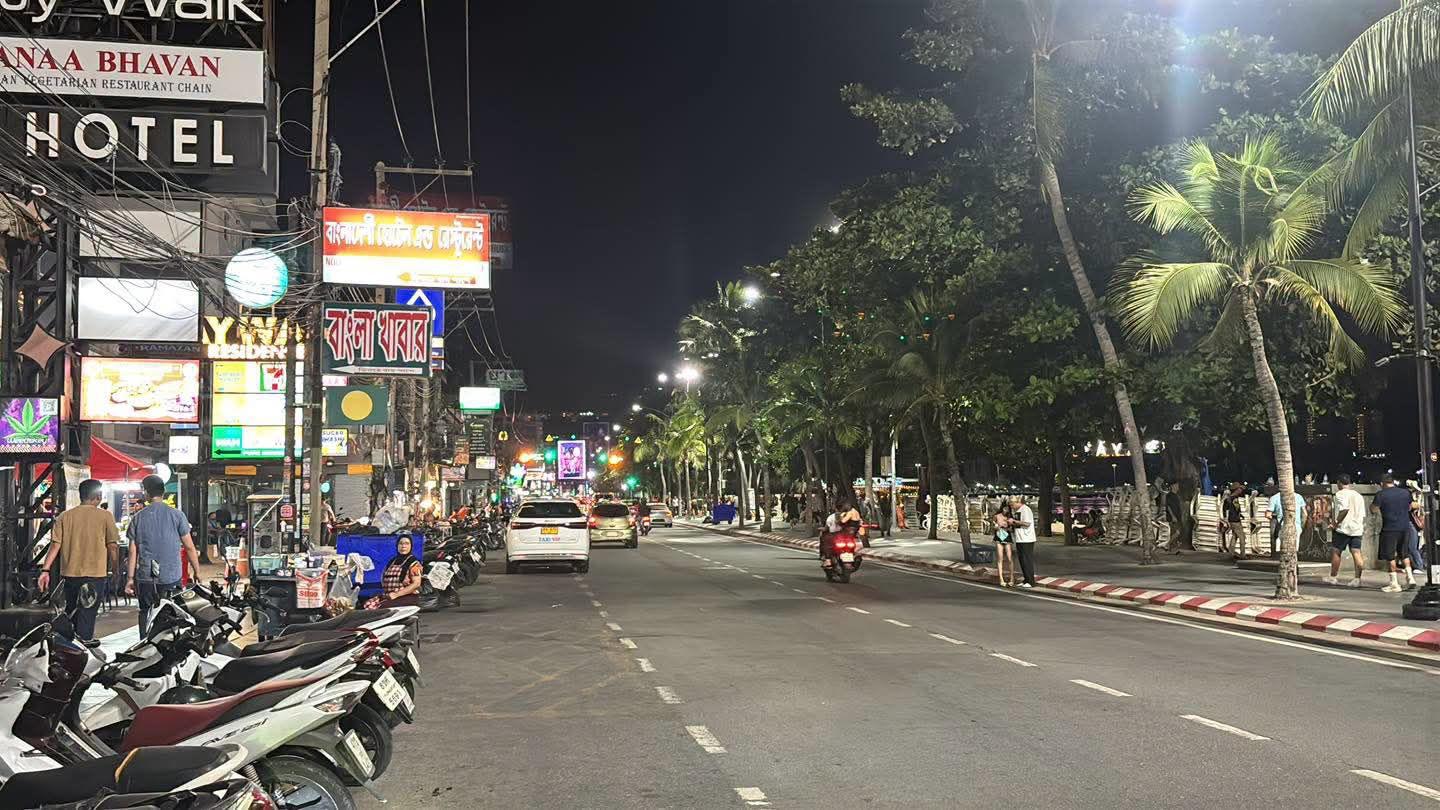
According to his statement, the man was walking along Pattaya Second Road at about 9.02pm on Tuesday evening when roughly three foreign men approached him and struck up a conversation. It was friendly, unhurried and, by his account, entirely about him: his hair, and what could be done about it.
The men said they sold a herbal remedy that would bring hair back thicker and darker. He was walked to a nearby shop, where he agreed to pay 43,000 Indian rupees — about 14,799 Thai baht at the time — for the product.
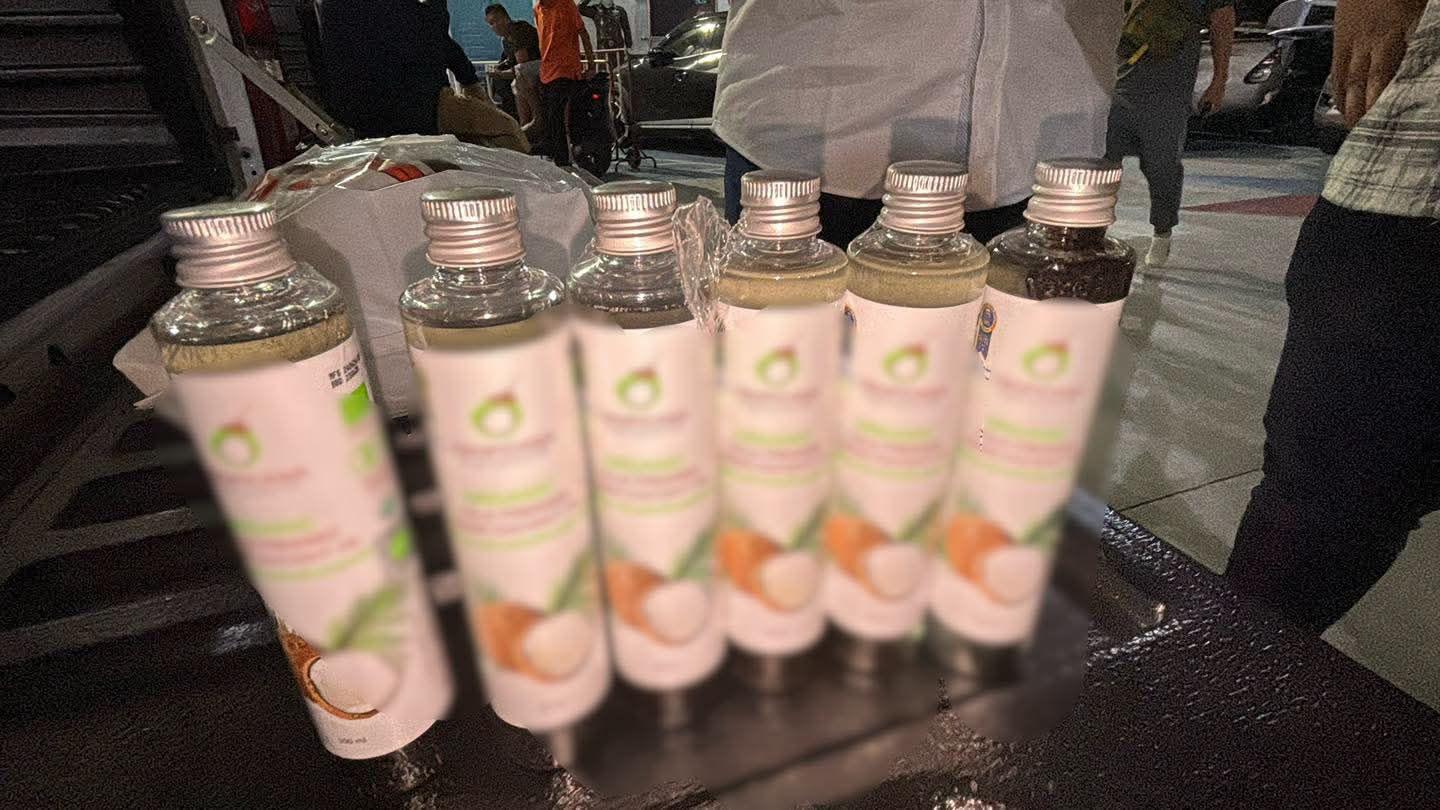
The doubt arrived later, through a friend. Told the price, the friend looked at the bottle and named what it appeared to be: inexpensive honey or coconut oil with basic herbs added. The tourist went to police the same night and asked that the sellers be investigated, saying he wanted other visitors spared the same evening.
No arrests have been announced and no one has been charged. The account above is the complainant’s, as recorded by police and reported by The Pattaya News.
The case in numbers
- ฿14,799 — paid, as 43,000 Indian rupees
- 3 — men who made the approach
- 9.02pm — time of the approach on Second Road
- 1.20am — time the complaint was filed
- ฿140,000 — the largest single loss reported locally
- 0 — arrests announced so far
How the Pattaya miracle herb scam actually works
Read four or five of these complaints side by side and the same structure appears every time. It is not improvised.
The target is chosen, not found. Reporting in Pattaya over several years describes sellers working Second Road and the beachfront and approaching male foreign visitors who are visibly balding or overweight. The pitch is decided before the first word is spoken.
The approach is social, not commercial. Nobody opens with a price. There is a conversation first — where are you from, how long are you here — which is why it slips past the defences people put up for touts.
The sale happens indoors. The mark is walked to a shop. A shop looks like a business, a business looks accountable, and the pressure of a doorway crowd does the rest.
The number arrives last, and in the wrong currency. This is the mechanism that turns an overpriced souvenir into a serious loss.
The currency trick, and why it works on the card machine
In November 2025 a 52-year-old German visitor reported paying more than 140,000 baht for five bottles of “miracle” hair oil at a shop in central Pattaya. He told officers he believed he was agreeing to 4,000 baht. The terminal charged 4,000 euros.
That single-character difference — the symbol on a card machine screen held at arm’s length, late at night, after a drink — is the whole trick. In January 2026 a 45-year-old Indian tourist reported paying 43,400 baht on Second Road near Soi Marine Plaza for two 200ml bottles of herbal mixture and one 100ml bottle of coconut oil. Pattaya Mail has reported a Thai woman and her Indian friend losing 12,500 baht for what turned out to be honey. The amounts change. The script does not.
There is a harder edge to some of these encounters, too. Local reporting has repeatedly described tourists who say they were assaulted after refusing to pay for the product once the price was revealed — which is why walking away calmly, rather than arguing in the doorway, is the advice officers give.
Why it never quite goes away
Anyone who follows Pattaya news will have seen the enforcement cycle. Officials run periodic checks. Shops are closed. There have been arrests and deportations. Then the complaints start again, usually within weeks, usually on the same stretch of road.
Two things keep it alive. The first is that the shops move: sellers relocate between premises and, when local attention gets uncomfortable, reportedly shift to Bangkok or Phuket before drifting back. The second is that the offence is slippery. Selling honey at an absurd price is not, by itself, a crime. The case has to be built on deception — what was claimed about the product, and what was actually authorised on the card — and that needs a complainant still in the country and willing to give a statement.
Most tourists are neither. They have a flight, an itinerary and about four days left. The economics of the con are built on that.
None of this makes Pattaya unusually dangerous. But the street-sales problem is stubborn in a way ordinary crime is not, because it feeds on politeness rather than fear.
A short Thailand travel guide to being approached in the street
Treat an unsolicited compliment about your health as an opening line. Hair, weight, skin, energy — if a stranger raises any of them, the conversation already has a destination.
Never let a stranger walk you to a shop. Not a jeweller, not a tailor, not a herbalist. If the shop were good, it would not need a man on the pavement.
Read the card machine, then read it again. Check the currency symbol and the number of digits before you tap or sign. If the terminal offers to charge you in your home currency, decline — you will get a worse rate even when the shop is honest.
Say the price out loud before you pay. “Four thousand baht, yes?” is an awkward sentence that has saved people six figures.
If it goes wrong, report it the same night. Keep the product, the receipt and the card slip. Muang Pattaya Police Station takes these complaints, and the Tourist Police hotline is 1155, staffed with English speakers. A complaint filed before you fly home is worth ten filed afterwards.
Do not argue in the doorway. Leave, then call. That advice exists because people have been hurt.
This is not the Pattaya most visitors get
Keep the scale of this straight. A 15,000-baht loss is a bad night, not a portrait of a city. The honest version of any Thailand travel guide is that the risks here are mundane — road traffic, sunburn, and paying tourist prices without noticing.
The best defence is also the cheapest one: know what things actually cost. Our guide to living well on 1,000 baht a day exists precisely so that a 15,000-baht bottle of oil registers immediately as absurd. If you are still planning, the range of genuine things to do in Pattaya runs from Sanctuary of Truth to the Jomtien night market, and none of it involves being led into a shop by a stranger. For timing, our month-by-month look at the best time to visit Thailand is the other half of the same calculation.
Budget travel in Thailand works because the good things are cheap: a bowl of boat noodles, a bus to the islands, a beach that costs nothing. Anyone quoting you five figures on a pavement is selling something that is not on the map.
What happens next
Police have taken the complaint and say they will investigate: identifying the shop, tracing the payment, establishing what was claimed at the point of sale. It may end in charges. It may end in a closure notice and a shop that reopens two sois away under a different name.
The victim asked for something broader than his own refund — that agencies act, so the next visitor is not caught. That is why this piece of Pattaya news is worth reading even if you have a full head of hair. ThaiThuk will update this report if arrests are announced.
Plan it properly
Know your budget, and know your visa
A realistic daily budget is the single best scam detector there is. Price your trip with ThaiBudgetPlanner, and work out which Thailand visa fits your plans with ThaiVisaFinder before you fly.
Plan your budget →
Written by
Genext Information Systems Staff
ThaiThuk’s editorial team at Genext Information Systems — writers and long-term residents based in Thailand who report from the ground on Thai culture, travel, food and community. Every piece is checked against primary sources and updated as details change. More about ThaiThuk →
Sources
- The Pattaya News — “Indian Tourist says Foreign Men Selling Miracle Herb to ‘Cure’ Baldness Scammed Him For 15,000 Baht in Pattaya”, by Adam Judd, 27 August 2026, for the complaint, the times, the amount and the officer named.
- The Thaiger — “Indian tourist reports alleged overpriced ‘miracle’ herbal scam in Pattaya”, 4 January 2026, for the Soi Marine Plaza case and the 43,400 baht figure.
- The Pattaya News and Khaosod English — reporting of 13 November 2025 on the German visitor charged 4,000 euros rather than 4,000 baht for five bottles of herbal oil.
- Pattaya Mail — “Pattaya herbal scam tricks Thai woman and Indian friend out of 12,500 baht for just honey”.
- Tourist Police hotline 1155 and Muang Pattaya Police Station, for the reporting routes described above.
Note on photographs: the images on this page are real press photographs published by The Pattaya News (TPN Media) with its reporting on this complaint, reproduced here for news reporting with credit to that source and no AI-generated imagery. Note on detail: no person or business has been charged in connection with the 27 August complaint, and all are entitled to the presumption of innocence. The account of the incident is the complainant’s statement as recorded by police. Currency conversions are approximate and were correct at the time of reporting. Nothing here is legal advice. This report will be updated as verified information emerges.