
In-Depth • Pattaya • Street Economics
Curry Row: How Indian Money Is Remaking Pattaya, One Shopfront at a Time
By Genext Information Systems Staff
Published 7 July 2026 • 9 min read
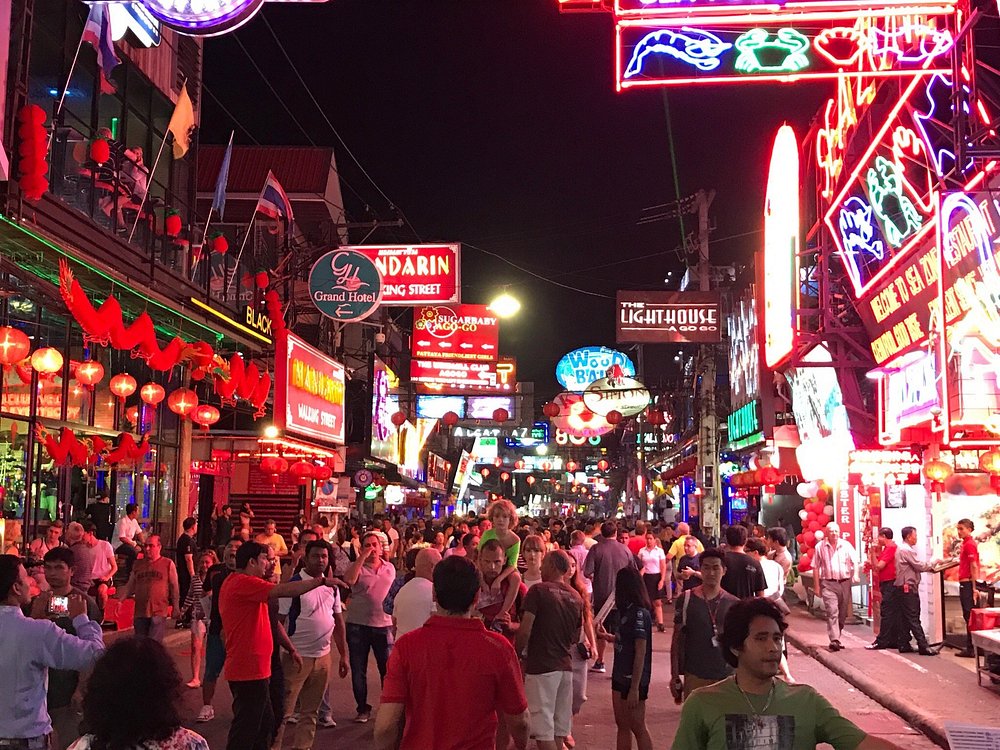
Walk Second Road on any evening this month and count the signage. Between the massage shops and the pharmacies you'll pass tandoor smoke, sweet-shop counters stacked with barfi, a grocer selling four kinds of basmati and a wall of spices, travel agencies advertising Bodh Gaya packages next to Koh Larn day trips, and restaurant after restaurant after restaurant — thali lunches, Punjabi dhabas, vegetarian pure-veg houses, 24-hour buffets. One local count last year put the tally at 78 Indian restaurants in the Pattaya area, with roughly 2,000 seats available at any given moment. Nobody has counted since. The number has not gone down.
Pattaya has a new biggest story, and it isn't on Walking Street. It's the Indian boom — and the numbers behind it are bigger than most people on the barstools realise.
The numbers
India sent 2.49 million visitors to Thailand in 2025, up around 16% on the year before, making it the kingdom's third-largest source market — behind only Malaysia and China, and closing. The Tourism Authority of Thailand is targeting more than 2.55 million Indian arrivals in 2026 and has been courting the market hard: roadshows in Mumbai and Delhi, wellness and luxury pitches, and the big unlock — visa-free entry, first granted in late 2023 and since made permanent, though stay lengths were trimmed to 30 days in this year's nationwide tightening. Add a three-and-a-half-hour flight from Kolkata or Chennai, budget carriers stacking frequencies into Bangkok, and a fast-growing middle class of 400-plus million, and the trajectory writes itself.
Pattaya catches a disproportionate share of it. The city is two hours from Suvarnabhumi, group-friendly, hotel-dense and priced right for the Indian package market — and it has spent a decade building exactly the inventory that market wants: big banquet hotels, water parks, family attractions, and food from home on every block.
The wedding economy
The most visible money isn't backpacker money — it's wedding money. Indian destination weddings have become a genuine Pattaya niche: multi-day events for hundreds of guests, whole hotel floors blocked out, mandaps on the beach, and buffets that run around the clock. A single mid-sized wedding drops more into the local economy in three days than a busload of day-trippers does in a season — florists, sound systems, photographers, baht buses chartered by the dozen, and kitchens hiring extra hands for the week.
Pattaya has always reinvented itself around whoever is arriving: American GIs in the sixties, German package tours in the eighties, Russians in the 2000s, Chinese tour groups in the 2010s. The Indian wave is simply the current chapter — and the city is doing what it has always done: repainting the signs and learning the menu.
Curry Row, mapped
The cluster is real and it is specific. Central Pattaya's Second Road and its offshoot sois hold most of the 78 restaurants, dense enough that owners compete on near-identical menus while each claiming a secret recipe. Around them has grown the supporting economy: spice grocers, sweet shops, jewellers, tailors who can turn around sherwanis, and agencies selling onward travel. Jomtien, by contrast, has barely a handful — long-stay Europeans still set the tone there — which tells you this isn't a city being "taken over" so much as a city sorting itself into districts, the way port towns always have.
Do they all make money? The internet debates it nightly, with the usual dark muttering. What's actually on record: a recent licensing sweep by local authorities found the businesses largely in order. The likelier truth is boring — Pattaya has too much of everything, barber shops and beer bars included, and the revenue cake gets cut thin. Some of Curry Row will consolidate. The demand underneath it won't.
What it means for the city
Hoteliers read the shift clearly: the Indian market skews younger, travels in groups and families, spends on rooms and banquets rather than bar fines, and fits precisely the "family and events" future the city government has been engineering for a decade. The friction points are the ordinary ones of any tourism wave — traffic, noise complaints, the occasional viral misbehaviour clip that every nationality contributes in turn — and they're managed the ordinary way. Meanwhile the payoff compounds: year-round arrivals that smooth out the low season, and a second economy of weddings and conferences that doesn't depend on the nightlife at all.
Thirty years ago the smart money said Pattaya couldn't survive without the Walking Street model. The neon is still there — but the city's growth is now in banquet halls and bhature. If you want to see where Pattaya is heading, skip the go-gos for one night and get a late dinner on Second Road. Order the thali. Watch the wedding party spill out of the hotel next door. That's the new block, and it's buying.