
In-Depth • Coastal Life
Pattaya & Jomtien Beyond the Postcard: Markets, Neighbourhoods and a Coast in Motion
By Genext Information Systems Staff
Published 15 June 2026 • 8 min read
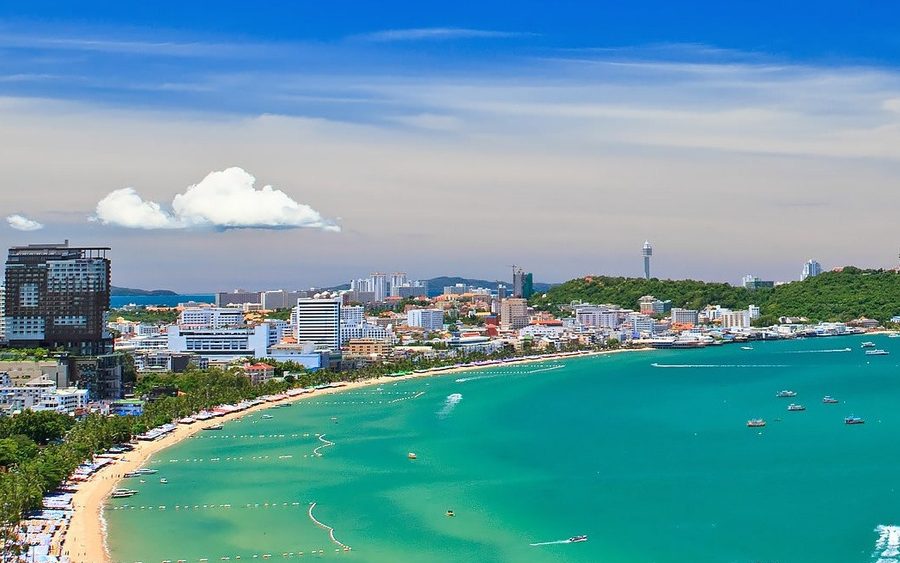
At 6:30 on a weekday morning, Jomtien beach belongs to Thailand. Aunties in wide-brimmed hats power-walk the renovated promenade. A monk receives alms outside a beachfront 7-Eleven. Fishing boats unload at the southern end while a swim group — average age well north of sixty, Thai and foreign in equal measure — cuts laps between the buoys. It is calm, local, and about as far from Pattaya's international reputation as it's possible to get while standing ten minutes from Walking Street.
That gap — between reputation and morning reality — is the most interesting thing about Thailand's most famous seaside city, and the reason it rewards a second look.
A city that keeps reinventing itself
Pattaya has never stayed one thing for long. A fishing village until the 1960s, a beach resort, a package-tour boom town — and now, under the government's long-running Eastern Economic Corridor plan, an ambitious work-in-progress aiming at family tourism, conventions, sports and long-stay living. The evidence is physical: the widened and replanted Jomtien beachfront with its palm-lined cycle path, the new water-treatment and flood-control works, the high-speed rail link to the capital inching forward, and a skyline of residential towers marketed as much to Bangkok weekenders and long-stay retirees as to tourists.
None of this happened by accident. City hall has spent a decade betting that Pattaya's future looks more like its mornings than its postcards — and the crowds at the family-oriented attractions, from the Sanctuary of Truth's carved-teak splendour to the flooded markets and ramen-slurping malls of the Naklua side, suggest the bet is paying off.
Where the locals actually go
Skip the beach for one evening and go where Pattaya eats. Thepprasit Night Market on the Jomtien side is the big one — a genuine local market where the grilled-seafood row at the back does squid by the metre and a full dinner costs less than a resort cocktail. Naklua's old fish market, up at the northern end, is the city's living link to its fishing-village past; buy prawns by the kilo and have the shop next door cook them. On Soi Buakhao, the Tuesday-and-Friday market draws an easy mix of Thai families, Isan workers who staff the city's kitchens and hotels, and long-stay foreigners doing their weekly shop.
"People ask me if Jomtien is boring compared to Pattaya. I tell them: yes, wonderfully. That's why I moved here." — a retired teacher from Nakhon Ratchasima, ten years a Jomtien resident
Community, visibly at work
The Eastern Seaboard has an energetic civic life that visitors rarely see. Monthly beach clean-ups organised by local schools, dive shops and city workers pull surprising volumes of debris off Jomtien and Dongtan sands. Temple fairs at Wat Chaimongkol fill the streets with food stalls and molam music several times a year. And the city's large Isan community — the cooks, drivers and hotel staff who keep the tourism economy running — brings its festivals with it, so you can watch a rocket-festival procession or a Songkran that runs a full week longer than Bangkok's.
Practicalities
Jomtien makes the better base for most travellers: quieter nights, better value, the same coastline. Songthaews (shared pickup taxis) run fixed routes for 10–20 baht and are half the fun. Budget-wise the coast is one of Thailand's best-value bases — run the numbers with ThaiBudgetPlanner — and if you find yourself, like many before you, googling "how long can I actually stay?", ThaiVisaFinder lays out the current options in plain English.
Come for a weekend. Watch one sunrise from the Jomtien promenade with a bag of moo ping and sticky rice. The postcard will never look the same.