Travel • Budget
The 1,000-Baht Day: How to Travel Thailand on a Local Budget
By Genext Information Systems Staff
Published 18 July 2026 • 9 min read
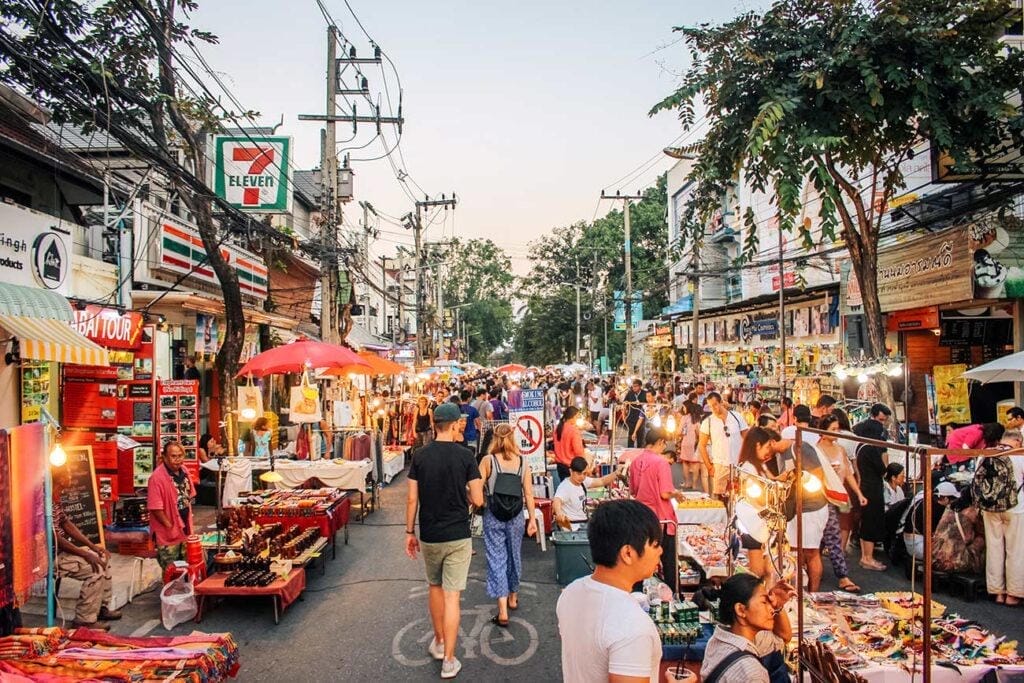
There's a number backpackers have whispered to each other for twenty years: a thousand baht a day. Say it out loud in a Khao San Road hostel and half the room nods like you've quoted scripture. But prices move, the baht has been strong, and a beer on Beach Road is not what it was in 2015. So does the magic number still hold in 2026? We live here and spend baht every day, so we did the honest thing and added up a real one — line by line, nothing hidden, no "and then a friend paid for dinner."
The short answer: yes, comfortably — if you travel the way Thais do, and not the way the resort brochures assume you will. Here's exactly where the money goes.
A bed: 300 baht
The single biggest lever on your daily spend is where you sleep, and it's also where the biggest savings hide. In a tourist hotspot in high season a hostel dorm bed runs 200–350 baht; a simple fan room in a family-run guesthouse, 300–500. Step one town off the beaten track — Nong Khai instead of Chiang Mai, Trat instead of Koh Chang, Chumphon instead of Koh Tao — and a private room with a bathroom drops under 400 without trying. Book the first two nights online, then walk in and ask for a weekly rate; guesthouses routinely knock 20–30% off for anyone staying more than a couple of nights, and low season (roughly May to October) is cheaper still. We'll budget 300 baht, the going dorm-or-basic-room rate, and note that a couple splitting a 500-baht room lands at 250 each.
Three meals of proper Thai food: 175 baht
This is where Thailand quietly humiliates every other budget-travel destination. Eat where the motorbike-taxi drivers eat and you will spend less on three good meals than on one airport sandwich back home.
- Breakfast — 40 baht. A bag of jok (rice porridge) or khao tom from a morning cart, or a sweet roti and a bag-tied iced coffee. Filling, hot, and handed over with a smile.
- Lunch — 55 baht. Khao gaeng — the point-and-eat curry-over-rice shops. Two toppings over rice is 50–60 baht almost anywhere in the country, and you can watch exactly what you're getting.
- Dinner — 80 baht. A plate of pad kra pao with a fried egg, a bowl of boat noodles, or a market spread of grilled pork and sticky rice. At a night market you'll eat like royalty for under 100.
That's 175 baht for three meals that would each be a highlight anywhere else. Add 25 baht for a proper iced coffee from a cart to keep the afternoon honest, and 30 baht for water and a snack, and you're eating and drinking all day for 230 baht.
"The tourist eats at the place with the English menu and the photos. The local eats twenty metres further down, where there's no menu at all and a queue of office workers. Same street, half the price, better food." — a Bangkok food-cart owner in Yaowarat
Getting around: 40 baht
Forget taxis and you've already won. Thailand's shared transport is cheap, frequent and half the adventure. A songthaew (the converted pickup trucks that run fixed routes) is 10–20 baht a hop in most towns; Pattaya's famous blue baht bus is a flat 10–15. Bangkok's canal boats and orange-flag Chao Phraya express boats cost 15–20 and beat the traffic outright. City buses in the capital are 8–25. Budget 40 baht for a few rides and walk the rest — the walking is where you actually see a place. (Long-haul days between cities are separate; a second-class train or a government bus is astonishingly cheap per kilometre, but it isn't an every-day cost.)
Something to do: 100 baht
The best things in Thailand are free or nearly so. Most working temples ask nothing but modest dress and bare feet. Markets, beaches, viewpoints, park mornings watching the monitor lizards in Bangkok's Lumpini — all free. Where there is a ticket, it's usually small: a provincial museum, a local wat's ordination hall, a national-park day fee. Set aside 100 baht a day for entries, a temple donation, or a deck chair and you'll rarely spend it all. The big-ticket attractions — a cabaret show, a dive trip, a full-day island tour — are worth doing, but they're a "once this week," not a "once a day," and you budget them separately.
The day, added up
Bed 300, food and coffee 230, transport 40, an activity 100. That's 670 baht — and you've slept fine, eaten three real Thai meals plus coffee, moved around town and done something worth doing. You've got 330 baht of headroom under the thousand: enough for a couple of cold Leos at a plastic-stool bar, a Thai massage (250–350 baht an hour and worth every satang), or simply banked toward the ferry ticket to that island you keep hearing about.
Where the number breaks — in both directions
Honesty matters, so here's where a thousand baht stops stretching. Central Bangkok, Phuket and the peak-season islands push accommodation up first — a bed can eat 500–700 baht before you've done anything, and imported drinks on a beachfront run Western prices. As we've written about Pattaya's low-season bar economics, the nightlife strip is the one place that doesn't follow the cheap-and-cheerful rule, so treat drinks as an extra, not a given.
The number swings the other way — dramatically — the moment you head into Isan and the North. In Ubon, Khon Kaen, Nan or Loei, 700 baht is a generous day and 1,000 feels like a splurge. Rooms are cheaper, som tam is 40 baht, and there are barely any tourist markups to dodge. If stretching your baht is the whole point, the Northeast is the answer — the food is the boldest in the country and the prices are the kindest.
Five habits that keep you under a thousand
- Eat where there's no English menu. The queue of locals is the only review you need.
- Drink the local brands. Leo, Chang and Sang Som cost a fraction of imports; a bottle of water is 7–10 baht from a shop, triple that from a hotel fridge.
- Use shared transport and your feet. Agree any non-metered price before you get in, every time.
- Slow down. Weekly room rates, fewer long-haul tickets and less rushing between sights is the single biggest saving there is.
- Travel in low season. May to October means lower rooms, quieter beaches and rain that mostly keeps office hours.
Run your own numbers
A thousand baht a day is still a real, liveable Thailand budget in 2026 — not a hair-shirt one, either. It buys the country most people come for and miss by staying inside the resort: the morning-market Thailand, the point-at-the-curry Thailand, the songthaew-and-a-temple Thailand. Your mileage will vary by region and season, so plug your own route and dates into ThaiHolidayBudget for a realistic total, and if you find yourself doing the very Thai thing of wondering how long you can keep this up, ThaiVisaFinder lays out your options in plain English.
Bring an extra hundred a day for the unplanned bits — the second massage, the bus that turned into a boat, the mango sticky rice you didn't need but absolutely got. That's not overspending. That's the trip.